Friday, 7 September 2012

A Trial Visit – BWC, Surrey

I decided that I should check out the British Wildlife Centre in Surrey.  In mind was the objective of expanding my portfolio.  When the opportunity arose to meet up with a friend in that part of the country, I seized the moment.

The Centre does a lot of educational work and is not open to the public every day.  Photographic Days are organised for keen amateurs.  My visit was on a public open day.

This blog contains a sample of some of the photographs I took on my visit.


European Polecat:


One suggestion is that the name came from the French poule and chat because of their liking for chickens (to eat).  That's certainly what they feed them here.

Where?

Ah!

Do you mind?


Finger-lickin' tasty


I know you can add sound-files to these blogs (well, many can;  I don't know how), but you can't add odours.  Perhaps as well!


European Otter:


These are land otters, not sea otters.  They are the ones we see in our rivers in the UK.


A quiet spot for a snack


Red Deer:


Losing velvet


The stags that were shedding velvet were surrounded with flies.  I've cloned them all out.


Dragonfly:


Common Darter (I think)


European Badger:


Time to come out?


Peanuts!


Grass Snake:


Zzzzzzzzzzzz


Finally, I photographed a non-native species whose original introduction into Great Britain for fur-farming has resulted in escapees creating mayhem amongst our native species.

American Mink


Cute, maybe, but a vicious, eco-vandal.


I was sufficiently impressed on my visit to arrange attendance at a special Photographic Day.  These are arranged on 'closed' days and give access to many of the enclosures with a keeper.  Numbers are limited and you are all keen amateur photographers.  Some animals cannot be photographed satisfactorily from outside the enclosures because of wire-netting, for example.  Such access also improves the possibilities for more creative points-of-view.

The Centre's website is at http://www.britishwildlifecentre.co.uk.

Watch this space!


Friday, 31 August 2012

Arne and Stourhead

This Sika was grazing in the overflow carpark at Arne.  I took the pictures on my way to Coombe Heath.


Not to be sniffed at

Of course I can see you

What?

Oh, these spots

They'll soon wear off


Sika have spots in the summer and are sometimes confused with Fallow Deer by visitors to the RSPB reserve.  Originally from Japan, they are excellent swimmers and undoubtedly came to the mainland at Poole Harbour by swimming from Brownsea Island, where they were introduced back in the day.


These next Sika were in the woodland near Shipstal Point.


Risk assessment?

Mum says it's OK

Antlers still in the original wrapping

... and telling the world?

A closer view


This chap was relatively cooperative last year.  We'll have to see how he feels disposed this winter.


I can't be sure what this butterfly is.  Any suggestions?


This I know.  It's a Wood Ant.


Trying to catch one again a suitable background took some time.  They don't half go fast.


Rose Chafer Beetle

I was hoping that a Dartford Warbler might perch just there.  This is the stand-in.


I couldn't pass up on the chance to see what the Raft Spiders were doing.


Here's what seemed to be uppermost on the menu that day (according to other witnesses):

Common Blue Damselfly


... and here's a lonesome Sunflower.


Later in the week I was at Stourhead.


Marsh Tit


It wasn't me that put all that food out!
 
Nuthatch.  We can see which food item it prefers


... and seeing what might have been dropped


Friday, 24 August 2012

Catching up at Stourhead

Although Stourhead is on my doorstep, it had been a while since I visited.  I decided to remedy this.

This Mallard drake is slowly working his way out of eclipse on the Lily Lake.


I moved into the woodland that runs up the valley towards Alfred's Tower.  There's always plenty to see there, but, as might be expected in such a habitat, the light-levels are normally pretty grim for shoot-from-the-hip wildlife photography.  I was not disappointed (in either respect!) on this occasion.

Spotted Flycatcher
Exif data:  1/50s; f7.1; EC = 0; ISO 2000


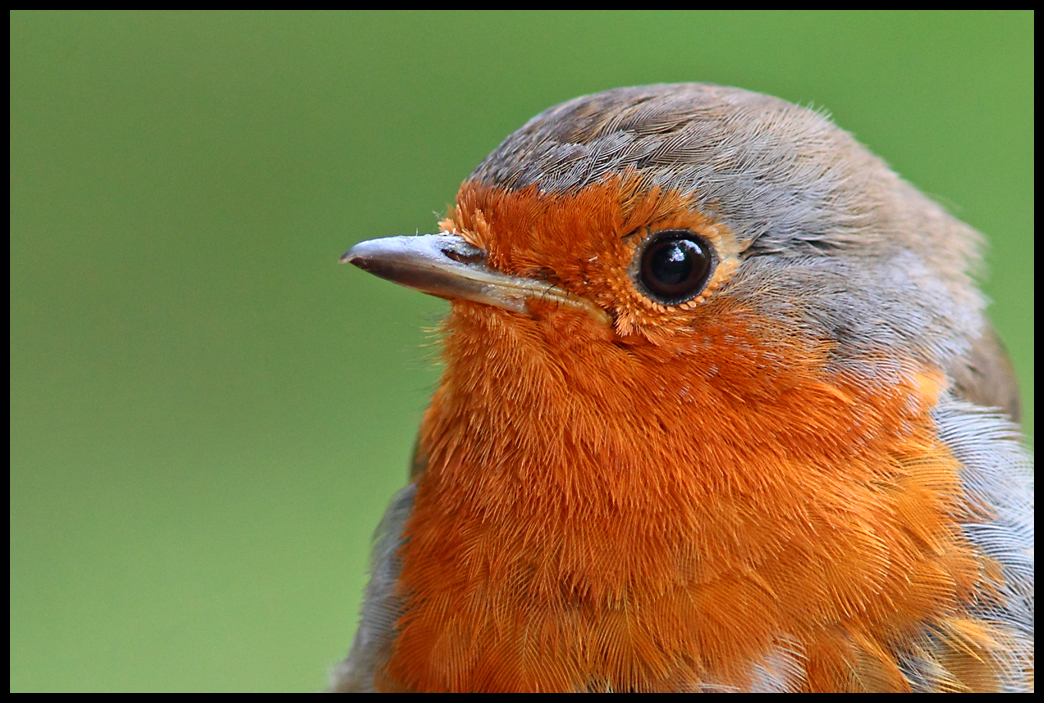
Robin
Exif data:  1/100s; f5.6; EC = -1; ISO 2000


Back in the more open parkland and by the main lake, I was approached by a (another) Robin.  I don't think I recognised it, although it could have been one I worked with at the beginning of the year.  (I've been looking at the images I took then.  I'm not sure.)  Anyway, it came within a couple of metres and posed 'provocatively' in the shrubbery.


... and my favourite:


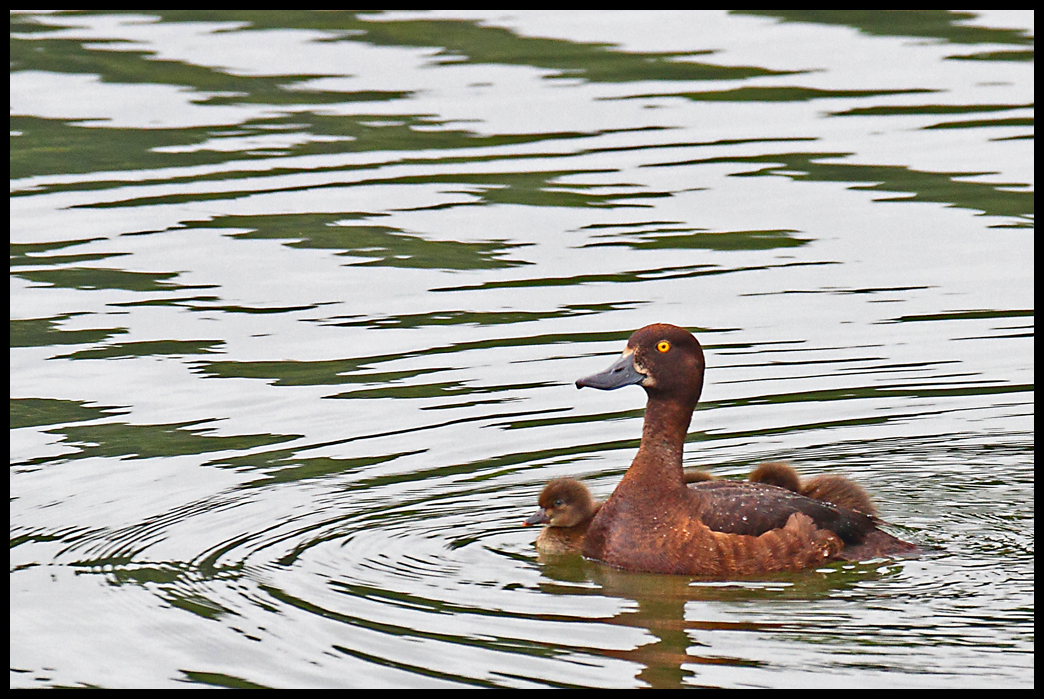
A Tufted Duck family was out on the main lake.  The mother was keeping the chicks close at all times.  This is probably the best defence again Pike – they'll not notice the bite-sized youngsters.


"I think they've got their mother's eyes"


Four days later and I was back at Stourhead.

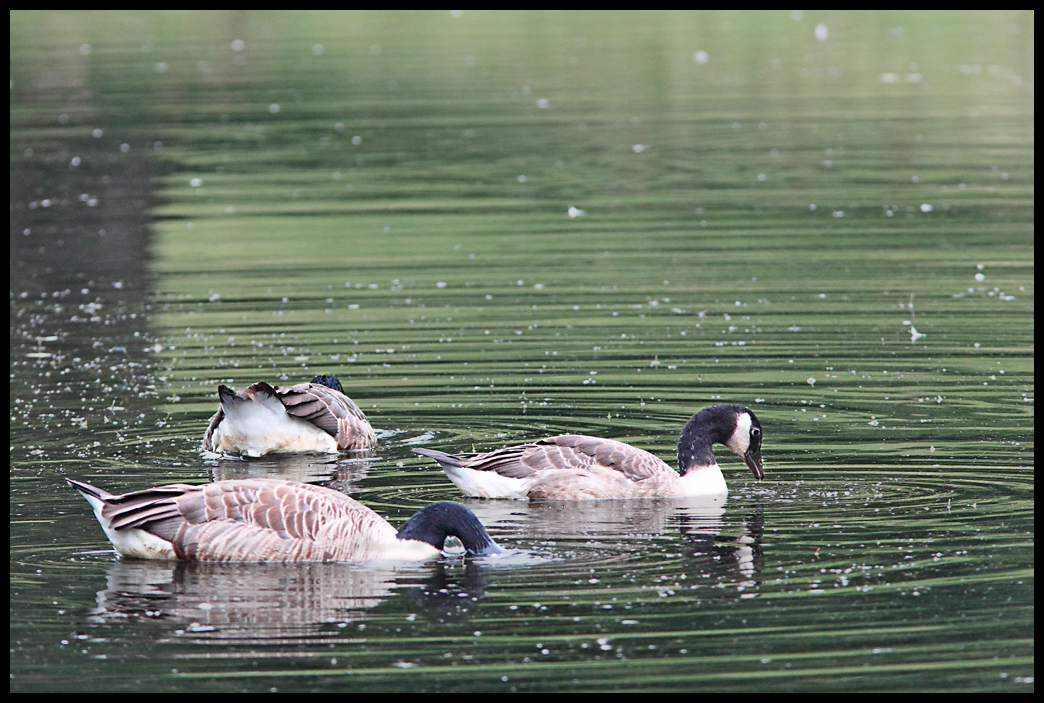
Canada Goose enjoying the morning sun

Coot.  All spruced up in its Sunday best


I think this is a Small White butterfly, but I'll stand to be corrected.


This last group of images was taken a few days later again.

Robin

This one was hanging out near the Iron Bridge.  It's been in the wars.  Apart from the missing claw on its right foot, it's lost the whole of its left foot.  If you look closely you can make out the end of the tibiotarsus section of the leg.  Everything below the human equivalent of the ankle is gone.  I asked around some of the regulars and one couple reported having seen the bird two days earlier with the foot hanging by a thread.

The bird was quite close and very trusting.  From a lower point-of-view and with close-focusing binoculars, I could see the end of the 'stump' and it looked to have healed healthily.  We'll have to see how it gets on with this impairment.

Here's a closer image.  Looks bright enough.


Busy feeding:


Canada Goose